Each donation helps to ensure the Museum's activities, allowing it to function and provide information for people from all over the world.
The Museum is grateful to each donor and invites everyone to contribute.
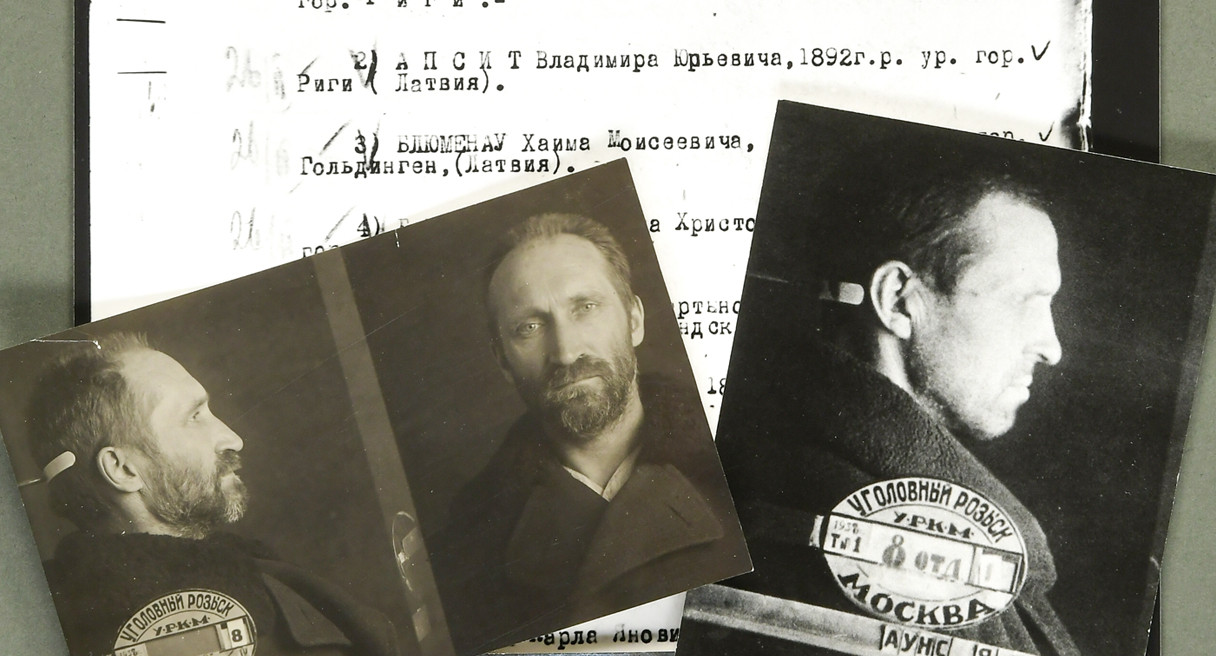
From 1936 to 1938 Joseph Stalin unleashes a wave of massive repression and persecution known as the Great Terror. It is aimed at members of the Communist Party, commanders of the Red Army, farmers and national minorities and designed to eliminate possible opponents. The Great Terror severely affects Latvians living in the USSR. Subject to arrest and prosecution are Latvians who have arrived since 1920, members of Latvian cultural and social organizations, journalists and businesspeople. Latvian citizens except diplomats, and Latvian tourists who have stayed in the USSR. They are accused of espionage, insurrection, anti-Soviet and national activities. From December 1937 to November 1938 22,360 Latvians are sentenced; 16,573 of these receive death sentences.
Picture: the arrested actors from the Moscow Latvian Theater “Skatuve”. From the Collection of the Museum of the Occupation of Latvia
Text: the Museum of the Occupation of Latvia and the Occupation Museum Association of Latvia.
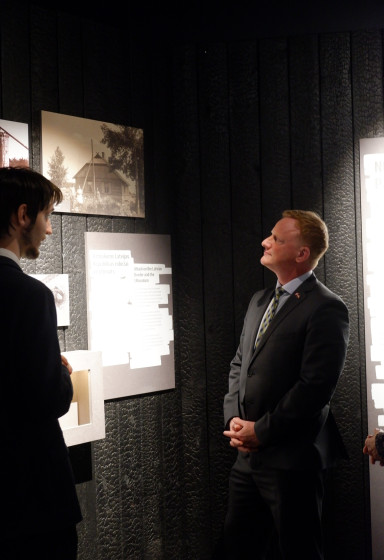
The Museum was visited by the Ambassador of Canada
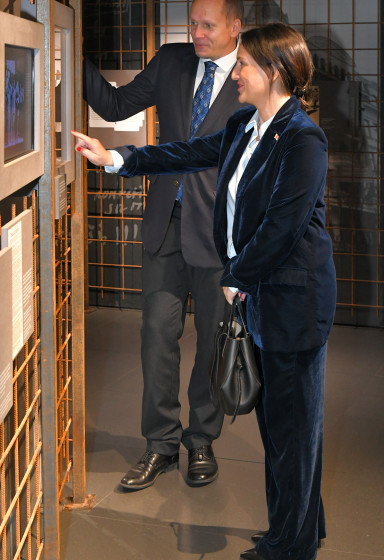
The Museum was visited by the Ambassador of Georgia

The Secretary General of the Council of Europe visited the Museum
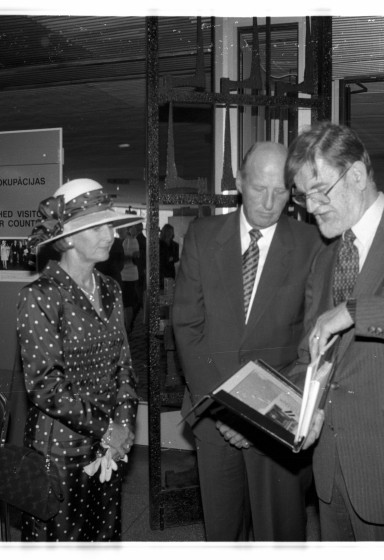
In Memory of King Harald V of Norway
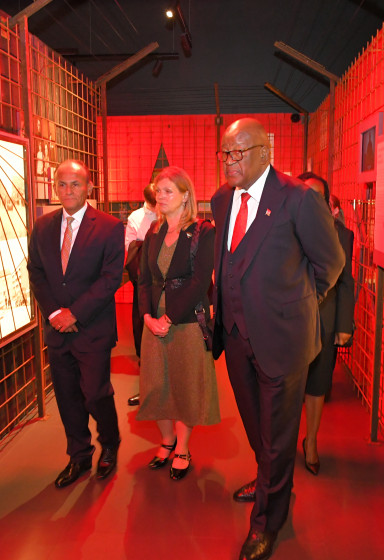
The Museum was visited by Ambassadors of Namibia and Peru